
While the wealthy may invest in assets and experiences that accrue value over time, the less affluent often allocate funds to items that, while providing immediate gratification or satisfaction in the head, may not yield long-term benefits.
From daily indulgences to financial pitfalls, understanding these spending patterns sheds light on your habits.
Lottery Tickets


Image Credit: Deposit Photos
Some individuals in low-income brackets may spend a significant portion of their income on lottery tickets in hopes of hitting the jackpot, despite the low probability of winning. According to a study by PBS, households that earn less than $13000 annually spend approximately 9% of their income on lottery tickets.
Payday Loans
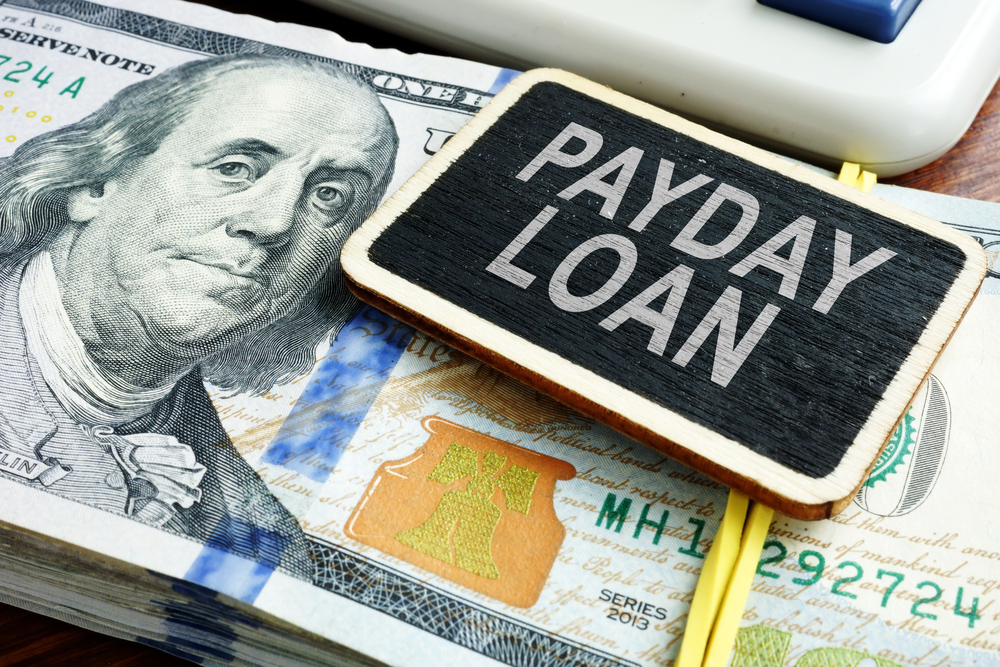
Image Credit: Deposit Photos.
Payday loans often target low-income individuals who need quick cash, but they come with exorbitant interest rates and fees, trapping borrowers in cycles of debt. The annual percentage rate of a loan is approximately 400% making it a debt trap.
High-Interest Credit Cards:


Image Credits: Deposit Photos
People with limited financial resources may resort to using high-interest credit cards for everyday expenses, accumulating debt quickly and paying substantial interest fees. According to the Federal Reserve, lower income households carry the most amount of debt upto $11210.
Cigarettes and Tobacco Products:


Image Credit: Deposit Photos
Smoking can be a costly habit, with cigarettes eating up a significant portion of a limited budget, despite being detrimental to health. According to the NCBI, the association between smoking and poverty is apparent at all levels with poor people smoking more.
In fact, according to The Centers for Disease Control and Prevention (CDC), the tendency to smoke is higher among persons living below the poverty level at 25.3% than those at or above this level.
Alcohol and Substance Abuse:


Image Credits: Deposit Photos
Substance abuse, including alcohol, can drain financial resources through the cost of purchasing substances and the potential for lost income due to addiction-related issues.
Impulse Purchases:

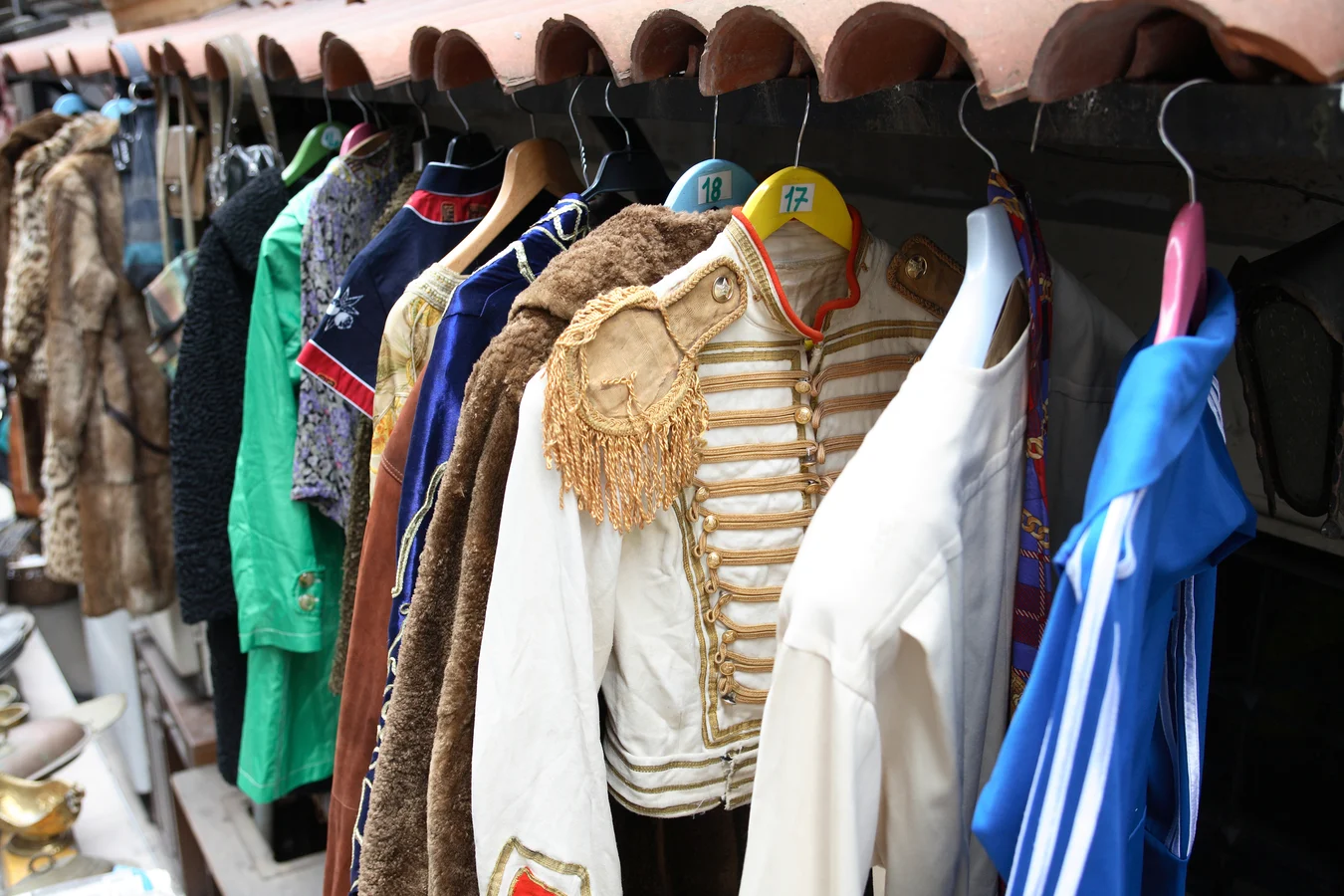
Image Credit: Deposit Photos
Without a solid financial plan, individuals may succumb to impulse buying, spending money on non-essential items they don’t need.
New research published by the American Psychological Association suggests that experiencing poverty during childhood can shape individuals’ perception of control, potentially influencing their decision-making and responses to challenging situations. The study indicates that growing up in poverty may lead to a greater tendency towards impulsive decision-making and a reduced ability to persevere in uncertain circumstances.
Convenience Store Items:


Image Credits: Deposit Photos.
Purchasing everyday items from convenience stores rather than bulk shopping or utilizing cheaper alternatives can result in inflated costs for essential goods. Instead, they should look at buying items from grocery stores.
Brand-Name Products:


Image Credit: Deposit Photos
Opting for brand-name products over generic alternatives can significantly increase expenses, especially when the brand name doesn’t offer a significant quality difference. Opting for store or generic brands offer higher value.
Unused Subscriptions and Memberships:


Image Credits: Deposit Photos
Subscribing to services or memberships that aren’t utilized frequently results in wasted money that could be allocated elsewhere. According to a survey by CNBC, one third of consumers spend approximately $100-199 each month with 42% forgetting they’re still paying for a subscription they don’t use anymore.
Get Rich Quick Schemes


Image Credits: Deposit Photos
Poor individuals disproportionately allocate funds to get-rich-quick schemes compared to the wealthy. This trend reflects a lack of access to traditional investments and susceptibility to predatory marketing. In contrast, the affluent prioritize stable, long-term investments. This highlights the need for financial education and access to reputable investment options
Eat Out Excessively


Image Credit: Deposit Photos
Many people with limited financial resources tend to spend more on dining out instead of cooking at home. This could be due to factors like time constraints, lack of access to affordable ingredients, and cultural influences.
Clothes


Image Credits: Deposit Photos
Poor individuals often allocate a significant portion of their income to clothing purchases rather than making financially prudent decisions. This can be influenced by societal pressures, the desire for immediate gratification, and the misconception that appearances equate to success.This can also be linked to impulse buying